Director of Finance Operations of the State
Directs sovereign financial operations, state revenue and expenditure monitoring, the financial operations dashboard (TOFE), debt evaluations, and government bond syndications on regional capital markets.
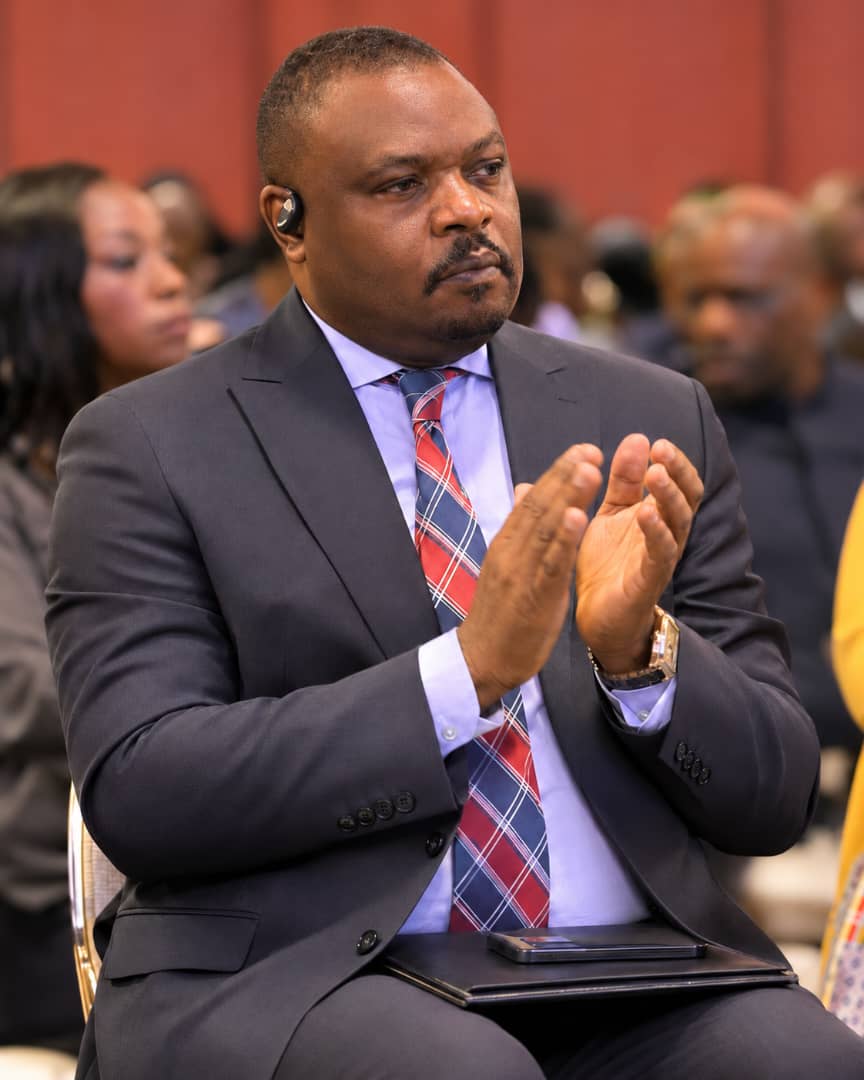
Professor Kelly Mua Kingsly is a finance engineer and climate finance specialist working where sovereign treasury execution meets multilateral risk governance and forensic investigation. Bringing executive leadership and three decades of practitioner rigor, he structures resilient financial architectures, guides sustainable capital mobilization, and directs advanced forensic oversight to safeguard public resources and accelerate economic transformation.

Executive responsibilities spanning state finance operations, regional financial market oversight, and continental trade insurance governance.
Directs sovereign financial operations, state revenue and expenditure monitoring, the financial operations dashboard (TOFE), debt evaluations, and government bond syndications on regional capital markets.
Provides strategic board leadership across 24 African sovereign member states, presiding over the 2024–2027 strategic plan, governance committees, and multilateral underwriting of trade credit and political risk insurance.
Provides strategic leadership to a premier international platform uniting finance ministers, central bank governors, multilateral development banks, institutional investors, and market regulators to deepen global banking and capital markets.
“Across more than two decades in public financial management, Professor Kingsly has overseen state finance operations, fiscal dashboard consolidation (TOFE), public debt structuring, and sovereign securities issuances (BTA/OTA). His regulatory service includes eight years as Cameroon’s Designated Institutional Representative to the Central African Financial Market Surveillance Commission (COSUMAF) and statutory central bank supervisory censor duties at the Bank of Central African States (BEAC).”
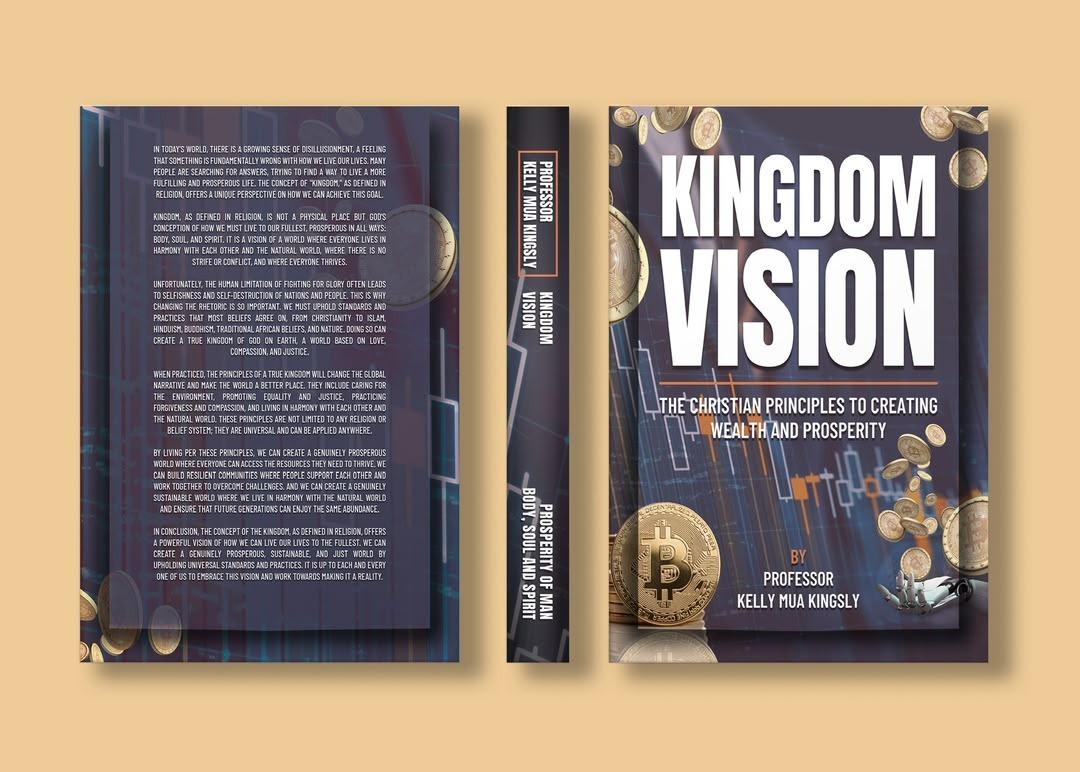
Acquire digital editions (PDF/ePub via secure token fulfillment) directly or order print editions through authorized international retail partners.

Capital Markets under the Leadership of His Excellency Paul BIYA, President of the Republic: Challenges, Achievements and Prospects
A landmark 406-page treatise exploring Cameroon’s sovereign creditworthiness, financial statecraft, and capital market resource mobilization under President Paul Biya. Professor Kelly Mua Kingsly formulates the "Theory of State Trust Capital", demonstrating how an unbroken record of zero sovereign debt defaults from 1982 to 2025 has established Cameroon’s signature as a premier sovereign benchmark across domestic, regional (BVMAC), and international debt markets.

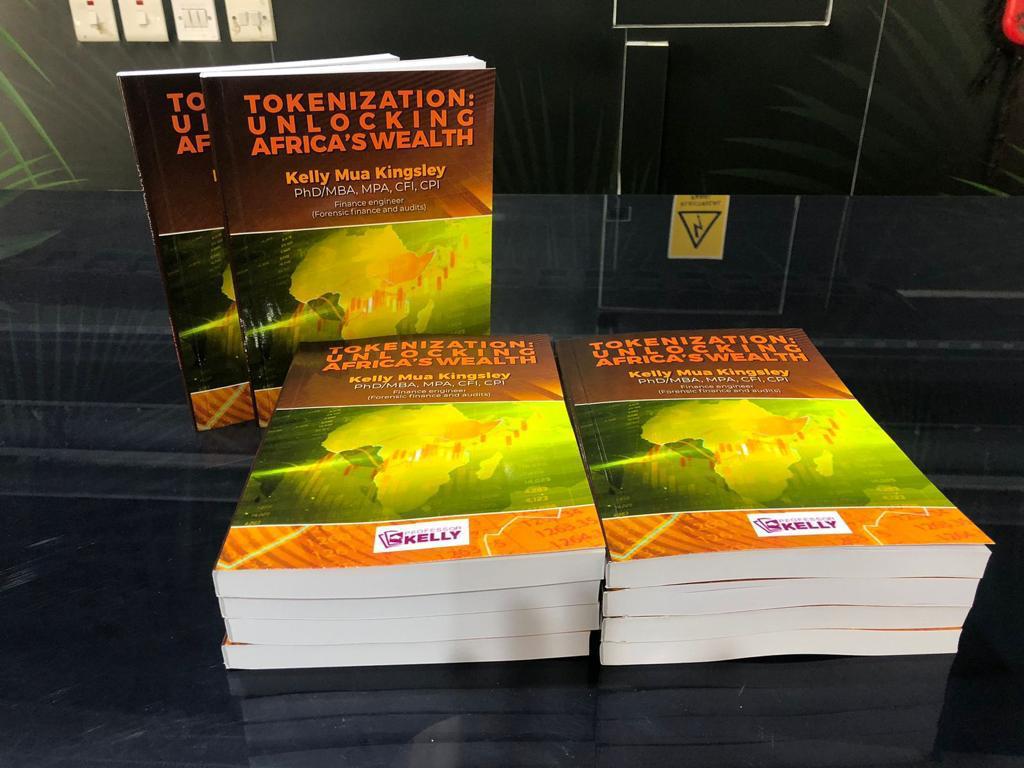
Asset Fractionalization, Sovereign Resources, and Digital Capital Formation
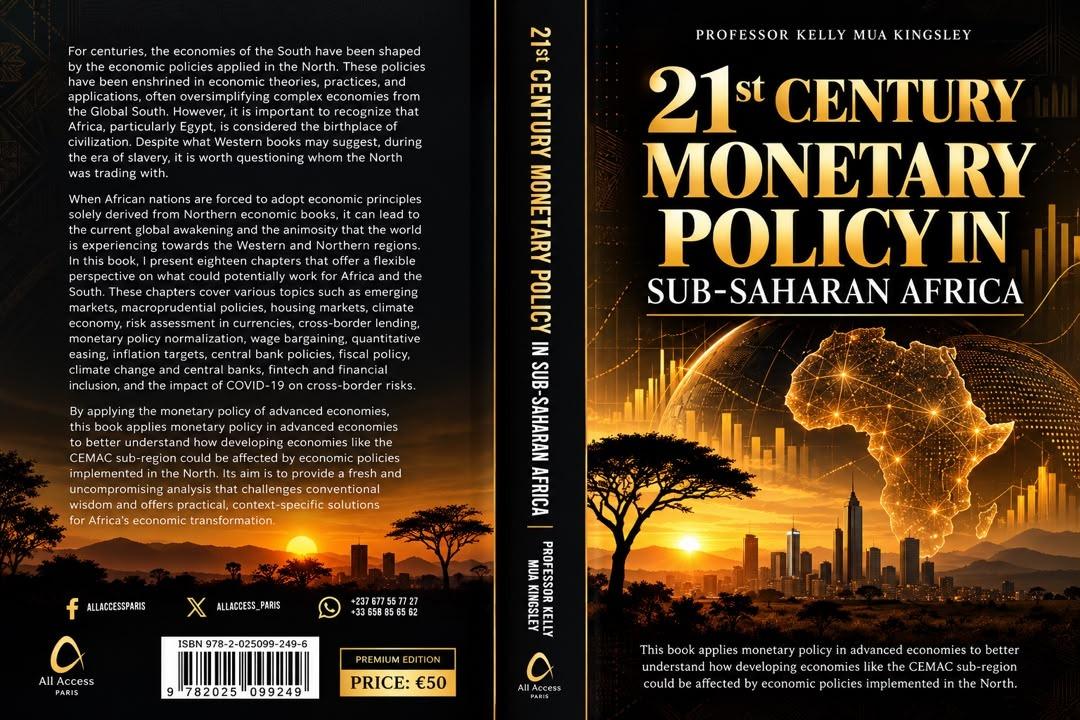
A transformative monetary and technological treatise exploring the tokenization of real-world assets (RWA) across Africa. Professor Kelly Mua Kingsly demonstrates how distributed ledger protocols, fractional mineral reserve backing, and sovereign asset digitization can unlock trillions in dormant capital, democratize cross-border wealth, and bypass historical liquidity constraints.

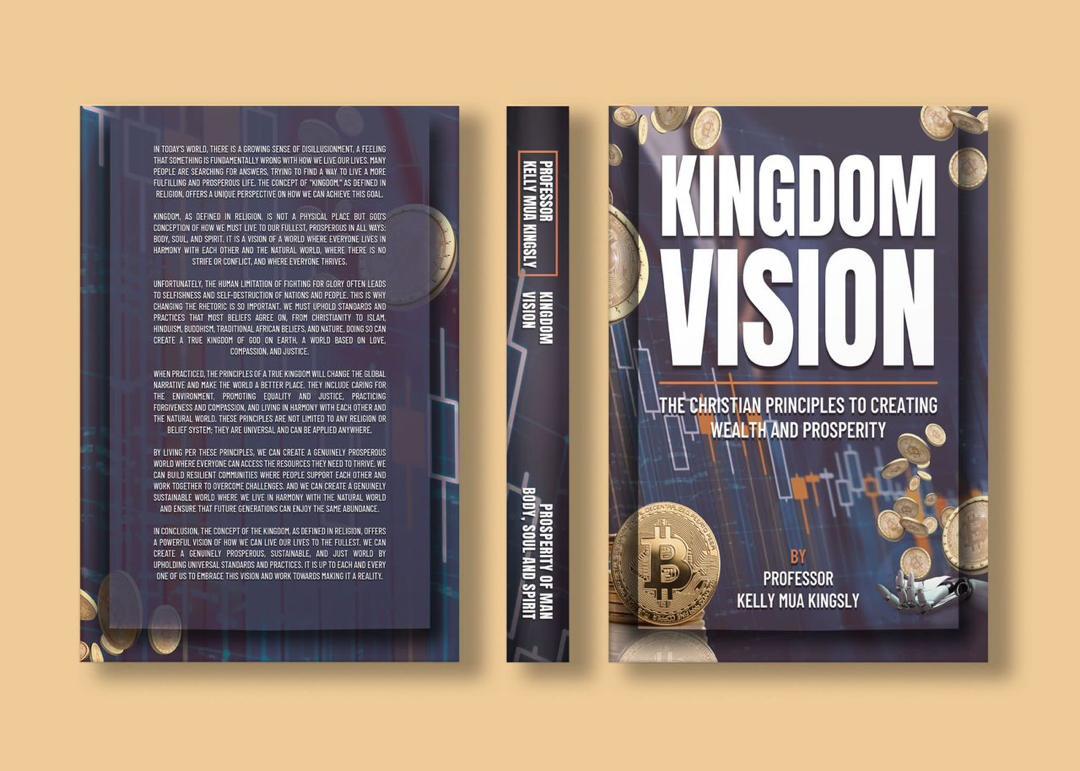
Ethical Statecraft, Generational Leadership, and Endogenous Industrialization
A visionary socio-economic and ethical manifesto challenging historical structural dependencies. Professor Kelly Mua Kingsly charts a paradigm of self-reliant industrialization, agricultural transformation, and incorruptible governance anchored in generational trust capital and pan-African institutional sovereignty.
Integrating empirical academic research with high-level policy execution across Central Africa and global multilateral institutions.
Designing resilient treasury single account (TSA) operations, multi-year fiscal frameworks, and sovereign cash-flow optimization in alignment with CEMAC convergence directives.
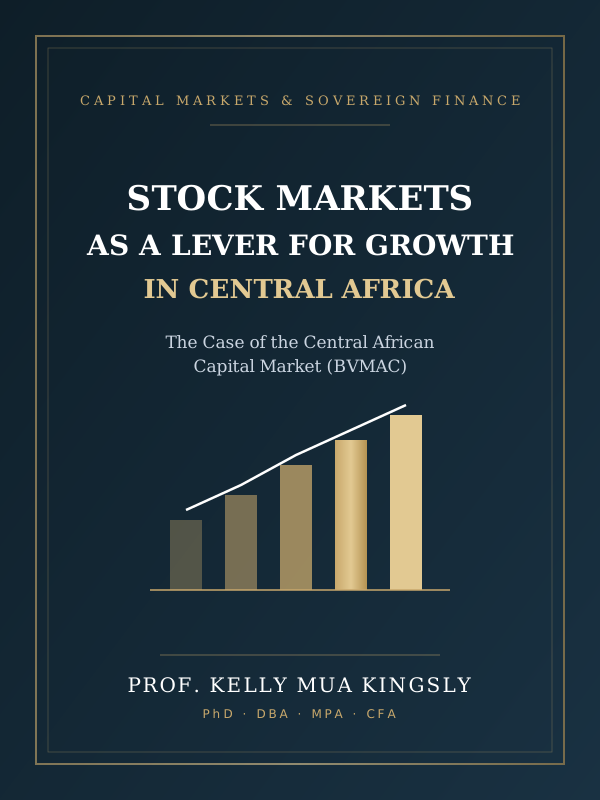
Advancing secondary market depth, institutional investor participation, and regulatory harmonization across the Central African Capital Market (BVMAC).
Mobilizing green, social, and sustainability-linked sovereign debt instruments alongside multilateral de-risking guarantees to fund climate adaptation and infrastructure.
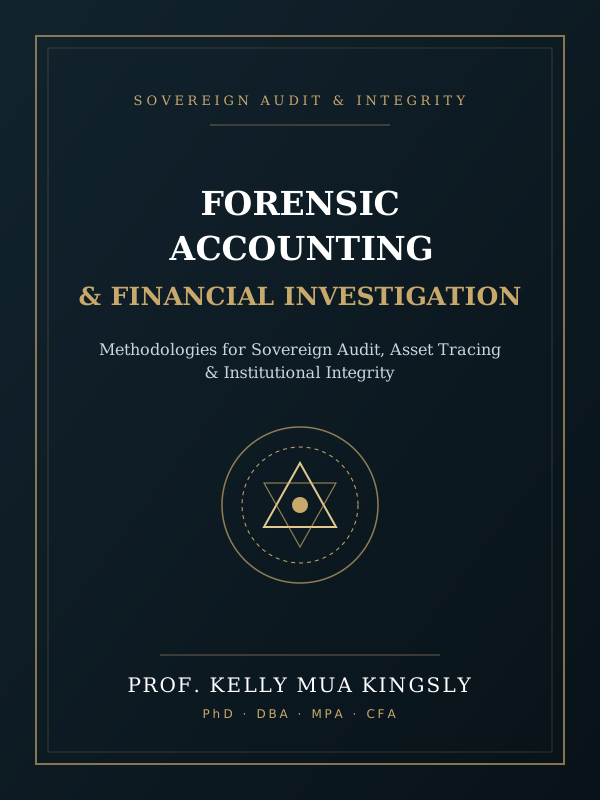
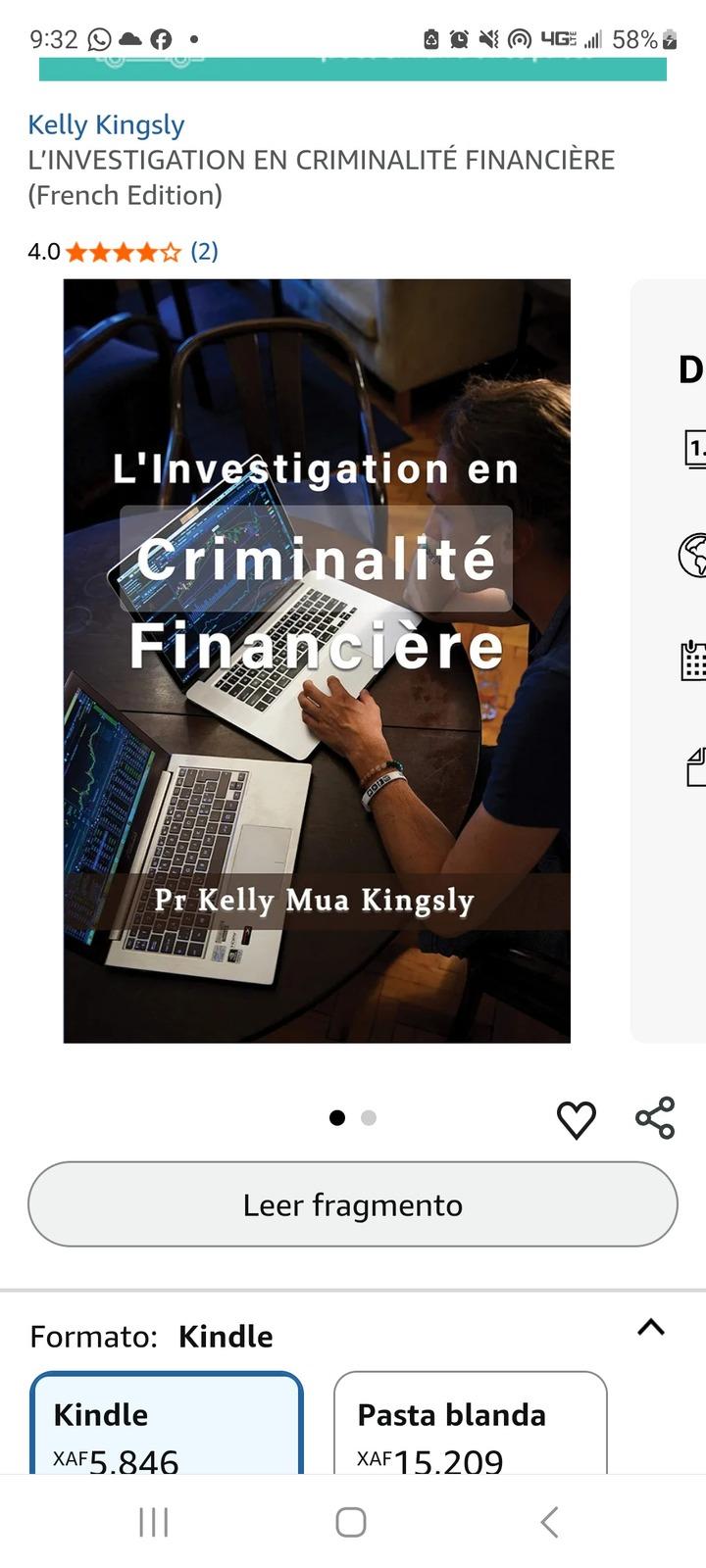
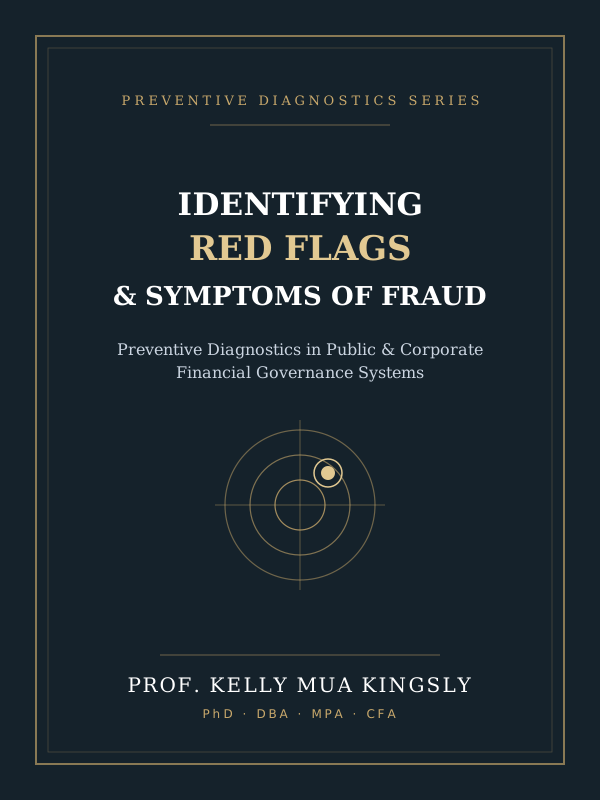
Establishing evidentiary audit protocols, red-flag anomaly detection matrices, and cross-border anti-money laundering controls for public and corporate entities.
Governing political and commercial risk insurance instruments that crowd-in private international capital and reduce borrowing spreads for African sovereigns.
Bridging theoretical financial economics with real-world statecraft by mentoring the next generation of public administrators, regulators, and forensic auditors.
Analytical monographs and commentary on CEMAC monetary policy, BVMAC capital market depth, sovereign green bonds, and forensic audit controls.
Post-Brexit vote, the political landscape underwent a significant transformation. The rise of Donald Trump in the United States, along with the consequential elections in France and Germany, shed light on the contrasting priorities of the Western world. The focus shifted from purely economic growth towards social agend...
Cash management lies at the heart of all financial management activities since it is the primary indicator of the efficiency of economic management. However, managing cash effectively must be associated with compliance with the relevant rules and practices . The Nigerian government's finance ministry operation has cont...
In 2020, the presidents of six Central African countries took part in a webinar called "Towards COP 26: Using Carbon Finance to Accelerate Development in Congo Basin Member States," which brought together nearly 200 experts, practitioners, and stakeholders. The author of this essay took part in the webinar and has been...
to Macro-environmental Factors The terms environment and climate change are often used interchangeably in academic circles to assess the territorial areas of different geotectonic units. However, from a commercial point of view, these terms have different meanings. In the commercial world , understanding the macro envi...
The consequences of transitioning from the dollar to local currencies in the petroleum industry have been extensively researched and are still being discussed. The most well -known consequences of this range from the "resource curse" to "Dutch disease". However, few studies have considered the potential implications in...
This essay critically examines the extensive and multifaceted corporate social responsibility (CSR) activities implemented by oil and gas companies operating in the vast and diverse regions of Sub-Saharan Africa. A particular focus is dedicated to comprehensively analysing these CSR endeavours' profound impact on the w...
to Debt Sustainability Frameworks Low-income countries (LICs) face significant challenges in managing their sovereign liabilities. At no stage in the history of sovereign debt management have the repercussions of an unsustainable debt situation for macroeconomic stability been more palpable than during the recent globa...
One of the most pressing issues for African policymakers, civil society leaders, and beyond centres on digital connectivity throughout the region. Campaigning tirelessly about this concern for economic and political participation and engagement, numerous scholars and practitioners undergird an entire research agenda ab...
Successfully navigating a borderless world with fractured institutions requires a deep understanding of unravelling and linking processes in foreign exchange. Although foreign exchange markets are where sophisticated multinational corporations rebalance global risk and townspeople buy travel cash, they disproportionate...
Driving Technological Convergence Toward a Human-Centered Global Economy Many of us have invested much of our lives discussing the attractiveness of creating a human-centred global economy. We have argued about working to resolve the constraints of narrow national interests to improve the human race. We are concerned w...
Eco-Environmental Economic Accounting and its Policy Application in the Central Africa sub -region gathers innovative and original contributions to economic structural adjustments in Africa. The authors are concerned with the impacts of economic reforms and policy recommendations that regional governments could propose...
Waste management challenges and opportunities in Cameroon are numerous and multidisciplinary issues. The mounting volumes and the distinct changes in household and industrial waste composition have aggravated collection and disposal. Very structured management systems such as eco -taxes, the recycling industry, and com...
This research explores three essential aspects surrounding currencies and reveals the extent to which African countries are prepared for sovereign currency management. The essay aims to do the following: firstly, to provide a fundamental market insight about what may become the most critical aspects of currencies in th...
The Congo Basin forests in central Africa are the world's second largest tropical rainforests. These incredibly diverse and precious ecosystems are home to endemic flora and fauna, providing vital support to approximately 75 million people who live within and around the Basin. However, the future of these pristine fore...
Small businesses in Africa will benefit from ever-larger bribes to redirect capital to uninvested low-carbon initiatives. In defining a sustainable project approach to help finance climate change in Africa, the aim is to promote an institutional governance and rule-based environment for Africa that is balanced to ensur...
This meticulously crafted and eloquently written essay extensively delves into the intricate and enigmatic world of dark finance, exploring a captivating and intellectually stimulating environment where the opacity of financial markets surpasses the realm of imagination. It embarks on a meticulous and profound journey...
Waste generation in many African countries has increased with growing urban populations and increased production and consumption. At the same time, organisational and technological problems are a significant constraint to efficient and effective waste collection and disposal. The capacity to produce a broad spectrum of...
to Currency Exchange Rates Currency exchange rates refer to the price of one nation’s currency in terms of another. They play an essential role in the world economy and are one of the most closely watched, analysed, and governmentally manipulated economic measures. When exchange rates are high, a nation’s goods are dea...
Financial inclusion seeks to provide individuals and businesses, including those in impoverished and underserved rural and urban areas across Africa, with access to a wide range of valuable and cost-effective financial products and services that cater to their fundamental requirements. These encompass various economic...
In this thought -provoking and insightful essay, Bruun Jensen and Vilslev meticulously delve into the intricacies of conducting forensic financial investigations. They thoroughly examine economies, infrastructures, financial products, and complex situations with precision and expertise . Their objective is to unravel t...
Devising financial solutions to enhance the development paths of African countries has been the central focus for policymakers and researchers, both within the continent and across the globe. The Center on Capitalism and Society actively upholds this longs tanding commitment by convening a diverse and esteemed group of...
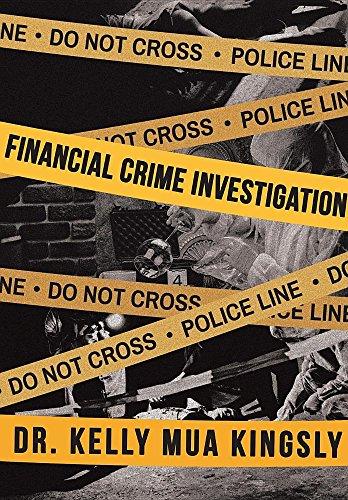
to Forensic Finance and White Collar Crime Forensic finance is one area that establishes high-level contact between criminology interests and the private sector. Therefore, the relationship between forensic finance and a specific area of white -collar crime, such as white -collar crime within the private sector, effect...
Professeur Kelly Mua Kingsly Ingénieur financier (juricomptabilité finance et audits) (4) Professeur Kelly M Kingsley | Université Harvard - Academia.edu blog :www.kellykingsly.com Mes articles : SSRN L'analyse prédictive dans le domaine de la finance forensique : utiliser l'IA pour anticiper les crimes financiers 1. P...
to COVID-19 The pandemic urges the entire system - including the financial system - to function correctly to minimise the adverse effects. The proper function of the financial system is requisite to minimise the adverse effects, which necessitate the appropriate functioning of the financial system. However, the risks o...
to Public Credit 1.1. Definition and Importance Opportunities in public credit encompass the numerous chances or possibilities available for governments or public entities to secure credit or financing from a diverse array of financial markets, institutions, or individual investors. Public credit is vital in enabling g...
Credit risk transfer (CRT) creates and sells financial instruments to transfer credit risk from one market participant to another. CRT is widely used in consumer and commercial credit markets as an integral part of credit underwriting and risk management, and it is relevant for almost all market participants, including...
Environmental, social, and governance (ESG) factors are increasingly important in today’s global economy. High-profile business failures highlight the need for more forward-looking governance metrics. More recent events, such as the pandemic and the climate crisis, have shifted the focus to social metrics and adaptatio...
Introduction: The Conference of the Parties, serving as the meeting of the Parties to the Paris Agreement (PA), at its first session (CMA1), requested the Interim Executive Board (IEB), in consultation with the CMA1 hosts, to organise an in- session workshop on the requirements for Article 6, paragraphs 2 and 3, of the...
Dr. Martin Luther King strived for full employment, nationally accepted in the United States in the 1940s. Still, the employment issue for permanent and effective work has not been resolved globally. Unemployment is still a major problem in most countries and an issue in many others. In 2018, national unemployment rate...
The fifteen nations in West and Central Africa, including Cameroon, Gabon, and Zaire, are in the basin of the second largest sub-continent, the Central African Sub- region. Budgeting from a program perspective is typical for these nations, although they are in the early stages of using it. This concept considers each b...
Our research seeks to answer a fundamental question: how did French colonial domination shape the monetary arrangements of the Francophone nations in Africa? To comprehensively analyze this phenomenon, we meticulously examine the policies implemented by Fr ancophone African countries that govern their reserve holdings...
to Web 3.0 and 4.0 Technologies Web 3.0 and 4.0 technologies, which include artificial intelligence, the Internet of Things, digital currencies, the blockchain, and others, represent the next evolution in the development of the web and its accompanying technologies. These technologies have the potential to revolutioniz...
Africa, a fertile ground for Christianity, saw its spread and influence in every part of the continent, leaving an indelible mark. The impact of Christianity on African culture is manifold. Spiritual beliefs such as monotheism, the afterlife, and creation are deeply rooted in African folklore, showcasing the resilience...
In a world where the globalization train has sailed and is poised to accelerate from this point, the playbook seems to favour being "Western." Local flavours are frequently blended and covered but rarely allowed to be the star, especially in business. African businesses, particularly the budding agribusiness, decide be...
to Forensic Finance and Green Bonds Numerous instances of abuse have been uncovered due to the rising interest in green bonds and investments in green finance. The term "green bond" or "green financial instrument" is used interchangeably with "green bond" to indicate financial instruments earmarked for environmentally...
In developing countries, corporations' underfinancing of climate finance is a dire and pressing issue of utmost concern. The concept of "climate finance" encompasses a wide array of financial instruments and mechanisms that hold the potential to greatly mitigate greenhouse gas emissions and facilitate the crucial absor...
Financial inclusion has recently taken centre stage in the global development debate. It has been recognised for its potential to empower the vulnerable and marginalised population of society, who remain excluded from the formal financial system due to low income and education. Defined in terms of access, digitalisatio...
Public-private partnerships (PPPs) are emerging rapidly in Southern African countries, as they provide an alternative mechanism for improving infrastructure and delivering social services. They have already become the preferred approach to infrastructure provision in recent times. Prominent examples include Australia...
to Sustainable Investing Large sectors of the population are increasingly attending to the environment and looking to governments and corporations to take the lead as responsible citizens. This is recognised in powerful environmental movements around the world. Key financial institutions are also beginning to respond t...
In general, it can be asserted that an economy propelled by abundant knowledge resources leads to the emergence of an even more dazzling and luminous world. However, amidst this assertion, an undeniable air of uncertainty engulfs the transformation of the fate of nations that may not have been bestowed with the bountif...
Different surveys conducted by the World Bank, International Monetary Fund (IMF), Asian Development Bank (ADB), and various other organisations have consistently estimated that the size of the black economy or shadow economy has experienced substantial growth in recent decades. This growth varies significantly across d...
Selected official keynotes, broadcast interviews, and multilateral addresses directly from the authoritative media archives.
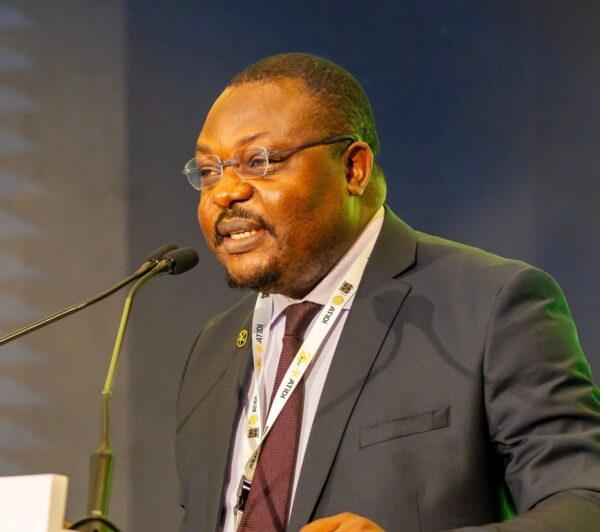
Keynote address by Board Chairman Prof. Kelly Mua Kingsly celebrating a quarter-century of multilateral credit insurance, trade de-risking, and cross-border commercial underwriting across Africa, honoring foundational milestones and charting the 2025–2030 continental vision.
“Twenty-five years of ATIDI demonstrates that African risk can be underwritten prudently, sustainably, and profitably when multilateral discipline meets sovereign determination.”
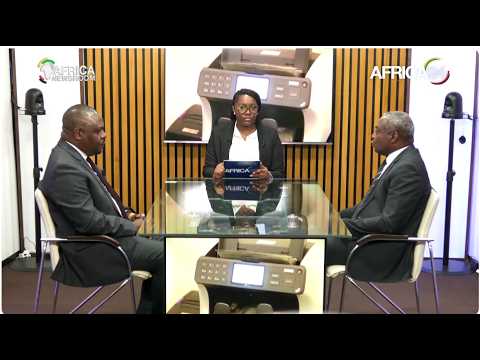
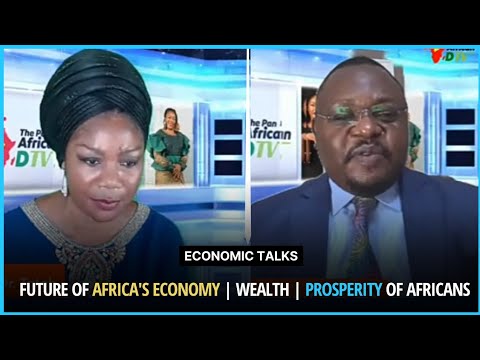
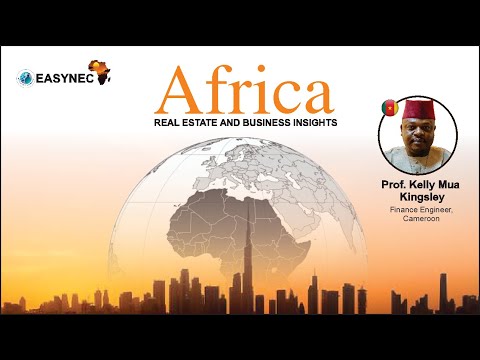
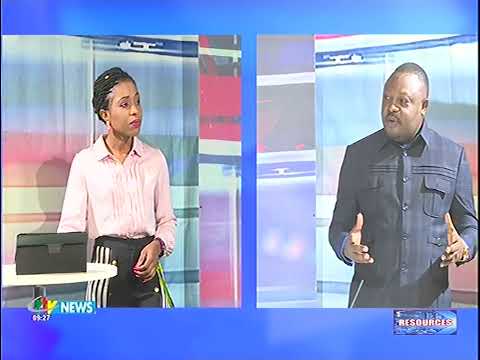
Broadcast interview on Africa24 analyzing why African stock exchanges account for only 0.4% of global market capitalization despite massive industrialization capital needs. Prof. Kingsly articulates strategic imperatives to overcome liquidity constraints, reduce market fragmentation, and catalyze domestic institutional capital.
“Africa accounts for less than 1% of global capital market capitalization despite representing a fifth of world population. Our strategic imperative is eliminating liquidity traps and mobilizing sovereign domestic capital into cross-border industrial assets.”
Extended biographical dialogue exploring financial engineering, executive mentorship of over 10,000 professionals, rural micro-credit empowerment for women farmers, and early-stage capital syndication for African youth.
“Impact is fundamentally about leadership; we all are leaders in our spheres, and the measure of true wealth is the human capacity we emancipate.”
Visual photographic documentation across ATIDI multilateral assemblies, sovereign treasury roadshows, university masterclasses, and signing meetups for Professor Kingsly’s 10 published books.

“Official launch and conference-debate on Cameroon’s sovereign creditworthiness, under the High Patronage of Minister of Finance Louis Paul Motaze.”
High-level institutional gathering of primary dealers, regional institutional investors, and sovereign debt directors evaluating the 2025 treasury bond calendar and secondary market liquidity.
Academic symposium gathering state financial magistrates, university researchers, and public inspectors examining modern data analytics and evidentiary standards in financial malfeasance cases.
Direct channel for ministerial correspondence, sovereign advisory requests, multilateral panel participation, and university guest lectures.